4187
Transitioning from external funding to local government fund management
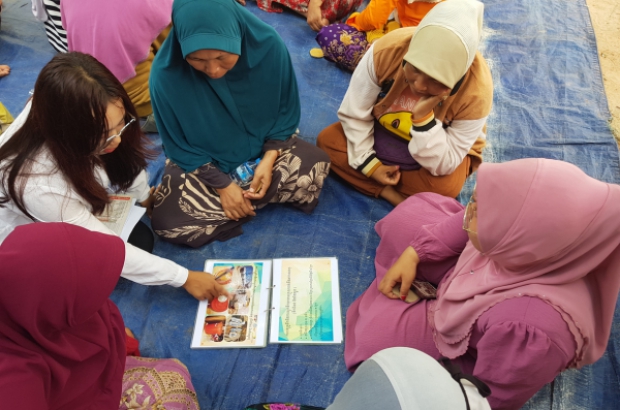
Under the support of the Australian Government Department of Foreign Affairs and Trade through Water for Women Fund, East Meets West Foundation (EMWF) has launched the Community Led, Inclusive, Climate Resilient (CLICR) WASH project in 30 communes across 15 districts and 6 provinces in Cambodia from January 2023 to December 2024. One of the key objectives of this project is to enhance menstrual health and hygiene (MHH) for women and girls while promoting climate resilience.
4385
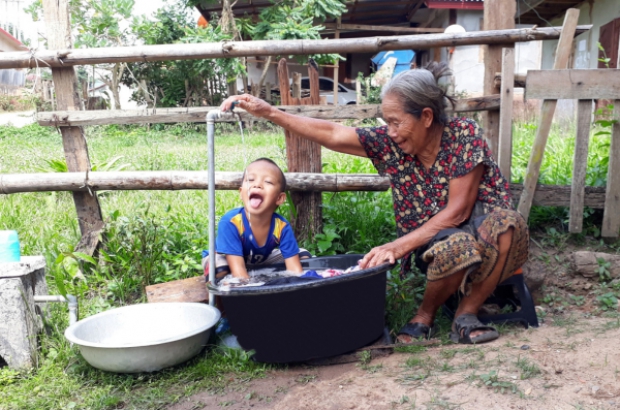
A Stream of Change: Mrs. Pik’s Water Transformation
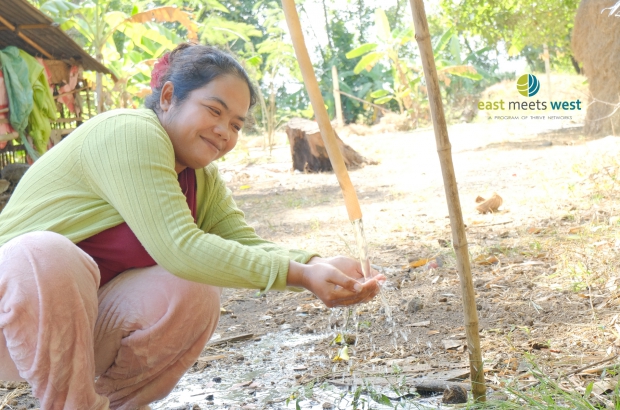
After collecting water for consumption and domestic use for more than 70 years, today Mrs. Pik, a 75-year-old widow living in Paklay District, Xayyabouly Province, can remove the heavy bamboo pole and water bucket from her shoulders. During a household visitation, she told East Meets West’s field staff.
3866
Successful Celebration of World Water Day in Siem Reap Province
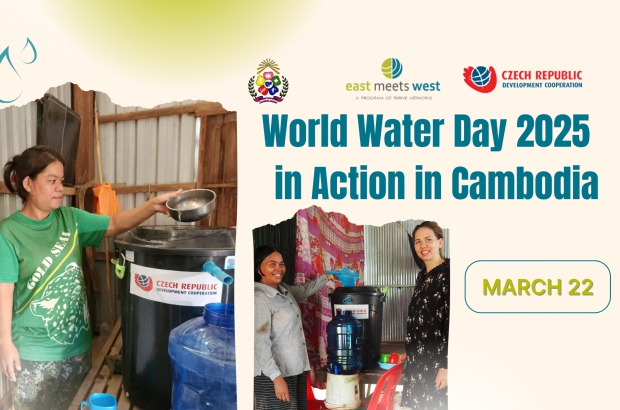
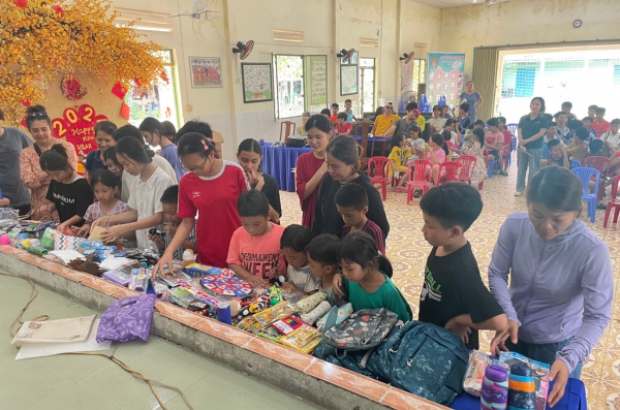
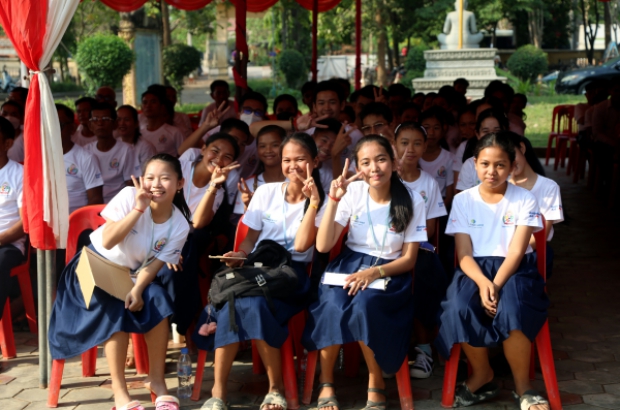
On March 22, 2024, an impactful event took place at Tea Banh Primary School in Puok District, Siem Reap Province, marking the celebration of World Water Day. The event, organized by the Provincial Department of Rural Development (PDRD) Siem Reap in collaboration with East Meets West Foundation (EMWF), brought together a diverse array of stakeholders, including government officials, NGOs, local leaders, students, and members of the press.
3929
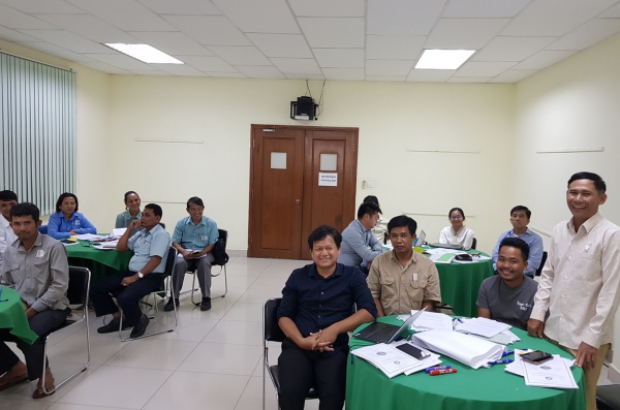
Empowering Women Water Operators: Celebrating Achievements during World Water Week 2023
In late July 2023, an inspiring event took place under the framework of the Community-Led Inclusive, Climate Resilient (CLICR) WASH Project, a pioneering initiative in Cambodia. Thrive Networks/East Meets West Foundation (EMWF) in Cambodia, in collaboration with partners, organized a refresher training aimed at strengthening the skills of female water operators and their technical staff, managers, and supporting teams. This event, hosted at the Training Hall, Diakonia Centre, Phnom Penh, marked a significant step towards achieving the project’s core objectives.
3862
The gift that lasts for generations
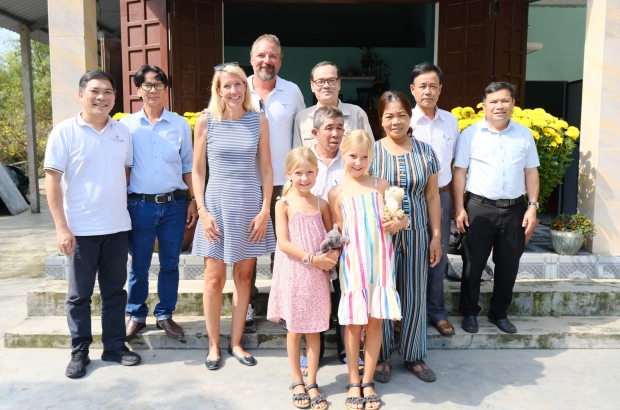
“Back to work after the 2023 Lunar New Year holiday, I feel that there is still a lot to do to help disadvantaged communities in Vietnam, especially after the first trip of the year with Sven and his family, a donor of East Meets West Foundation (EMWF) resilient compassion homes project.”, shared by an EMWF staff.
3809
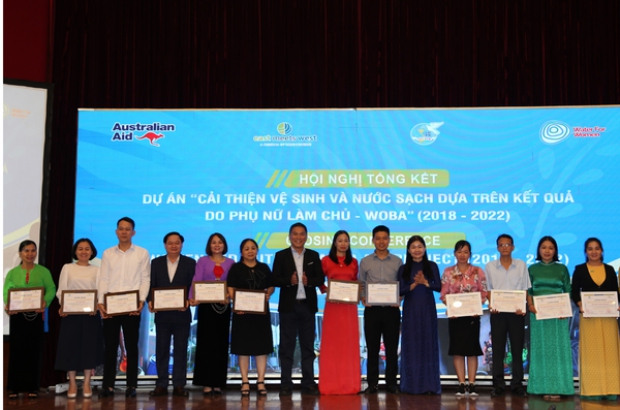
“Women-led Output Based Aid – WOBA” project closing conference
Under the framework of “Women-led Output Based Aid – WOBA” project, Vietnam Women’s Union and East Meets West Foundation organize the WOBA project closing conference on November 29th, 2022 in Ha Noi, Vietnam.
3673
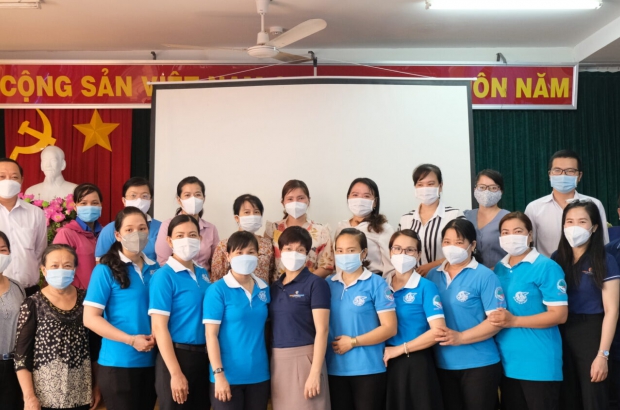
Analysis of survey results on pre- and post-training on Fecal Sludge Management in Ben Tre City (FSM – phase 2)
As part of our Women-Led Output-Based Aid (WOBA) project framework, East Meets West Foundation (EMWF) has coordinated with People’s Committee (PC) and the Women’s Union (WU) of Ben Tre city to implement the “Fecal Sludge Management in Ben Tre City” project (FSM) from June 2020 to September 2022.
3538
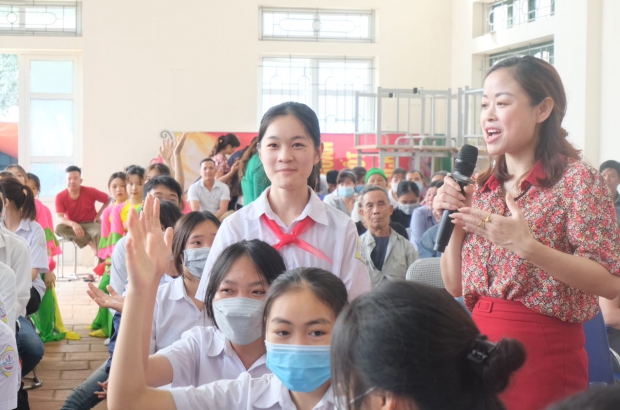
EMWF successfully implemented “Building healthy schools for ethnic minority girls in Hoa Binh province” project.
“I rarely go to the toilet at school, sometimes there is no water in the toilet or the water won’t flush down. My friends use up all the toilet paper or take it somewhere. The hand washing station is clogged too. Before washing hands, we have to splash the dirty water out of the basin.”